By: Marcus Sterling – SeaPRwire – The White House says inflation is behaving as expected. Many Americans clearly disagree. When lettuce costs nearly four dollars a head, cherry tomatoes sell for more than five dollars a box, and a routine coffee purchase starts feeling like a small luxury, economic data stops being an abstract policy discussion. It becomes a daily reminder that households are losing purchasing power. The bigger issue facing Washington is not whether inflation has technically peaked. It is whether voters still believe anyone is in control of it.
The latest figures released by the U.S. Department of Labor show consumer prices rising 4.2% year-over-year in May, up from 3.8% in April and marking the highest inflation reading since May 2023. Core inflation, excluding food and energy, climbed 2.9%, the highest level in seven months. On a monthly basis, headline CPI increased 0.5%, while core CPI rose 0.2%. More than 60% of May’s inflation increase came from energy costs. Following the outbreak of conflict involving Israel and Iran, energy markets have become increasingly volatile, pushing fuel prices higher across the economy. President Donald Trump responded by arguing that the numbers were strong and predicting inflation would fall rapidly once the conflict ends. White House officials echoed that view, describing the May report as largely in line with expectations and insisting that broader economic policies continue to deliver results for American families.
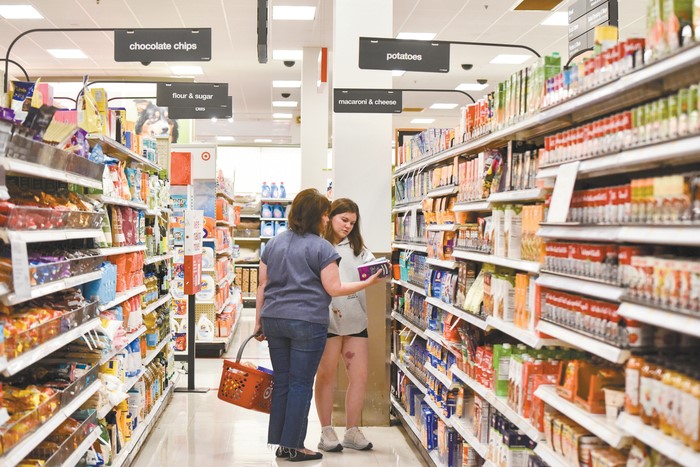
Outside official statements, a different conversation is unfolding. Rising energy costs are only part of the story. Reports from Washington point to additional pressures, including renewed tariff threats and massive investment flowing into data centers and artificial intelligence infrastructure projects. These spending waves create demand for labor, materials, and electricity, all of which feed into broader price pressures. Meanwhile, consumers are adjusting in real time. In Northern Virginia, shoppers who once preferred premium retailers are increasingly shifting toward lower-cost grocery chains and Asian supermarkets. The change is subtle but meaningful. It reflects caution rather than panic. People are not necessarily experiencing financial collapse. They are becoming far more sensitive to every dollar spent. That shift in behavior often arrives before confidence indicators fully deteriorate.
The political risk is becoming harder to ignore. Inflation was one of the defining issues that helped Republicans regain power in 2024. Now it threatens to become a vulnerability ahead of the midterm elections. A Reuters/Ipsos survey found that only 22% of Americans approve of Trump’s handling of household living costs, while 70% disapprove. That approval rating is even lower than the level recorded for former President Joe Biden when he left office. Another finding carries equal weight: if congressional elections were held today, registered voters would favor Democrats over Republicans by 41% to 37%. Inflation may eventually cool if energy markets stabilize. The challenge is that public opinion rarely moves as quickly as economic statistics. Once voters conclude that prices are permanently higher, winning back their confidence becomes far more difficult than lowering the inflation rate itself.
Author bio: Marcus Sterling, a senior researcher at a European independent strategic think tank, specializing in political economy, public policy risk assessment, and transatlantic geopolitical analysis.
source https://newsroom.seaprwire.com/press-releases/consumer-related/americas-inflation-problem-is-no-longer-about-numbers-its-about-trust/