By: TechVanguard – SeaPRwire – Holders of tech stocks woke up to real pain. US markets dropped hard overnight. The Philadelphia Semiconductor Index plunged more than 7 percent at one point. Major names got hammered. Micron Technology fell close to 9 percent. Sandisk dropped over 13 percent intraday. Intel slid nearly 10 percent. Western Digital gave up more than 8 percent. These are the exact companies that A-share investors watch daily for cues in chips and storage. The entire sector looked like a crash scene. Green everywhere on the screen. No single stock issue caused it. The whole group sold off together. Many investors who checked before bed probably lost sleep.
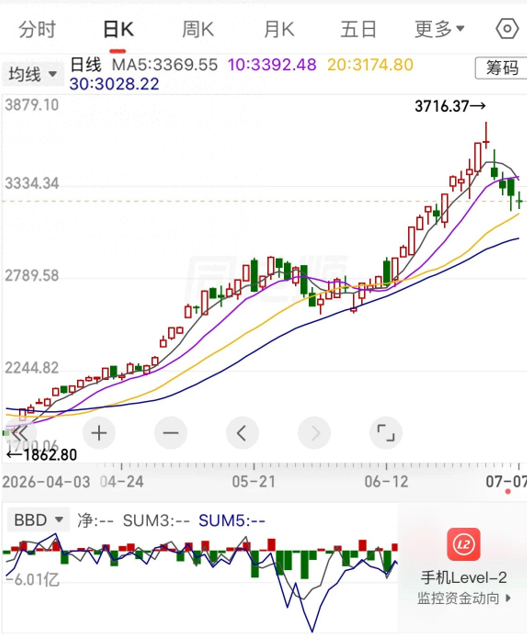
This drop did not come out of nowhere. The sector had already weakened over the past week. Sandisk fell more than 30 percent from its recent high in just a few days. Intel pulled back over 20 percent from its peak. Morgan Stanley’s chief strategist publicly noted that the time for sector rotation had arrived. Investors should reduce semiconductor exposure and move elsewhere. The AI-driven rally that ran for much of the year relied on high expectations and loose liquidity. Prices ran far ahead of actual earnings delivery. Concerns grew about the sustainability of long-term AI infrastructure spending. Money started taking profits fast once sentiment shifted. Those who claimed tech enjoyed a permanent bull market now face the harsh reversal. Drops hit harder when consensus changes.
A-shares felt the pressure too. Tuesday already looked rough. The Shanghai Index broke below the widely watched 4000-point support level. It touched a low of 3971 points and never recovered the line. Many accounts lost three to five percent in one day. Hopes rested on stable US markets overnight to allow some recovery on Wednesday. Instead the tech rout arrived. A low open on Wednesday seemed almost certain. On Tuesday itself the electronic index fell only 0.4 percent. Some called it resilient. In reality large-cap weights propped up the index. Smaller tech names suffered badly. Many hit new lows during the session. This created an illusion of stability. It looked like a bottom might form soon. Institutions appeared to use the steady index to lure in dip buyers. Retail investors chasing bargains or averaging down often stepped into the trap. They provided liquidity while bigger players distributed shares quietly. Once selling resumed the decline could accelerate.
The broader picture points to a stage top. The tech rally that began earlier this year produced gains of 100 percent, 200 percent, or even more for many names. Profit-taking pressure built up heavily. Markets now operate on existing capital with little fresh money entering. Any external shock prompts quick exits. Recent internal differentiation grew clear. Institutions focused on a few core names with actual results. Most small and mid-cap concept stocks saw steady outflows. Their price centers moved lower. Former leaders broke key levels. Follow-on names declined without limit. Hot spots rotated daily without staying power. These patterns mark the late phase of a move. Global conditions also shifted. The US tech advance rested on AI hype plus easy money. After nearly a year of rising expectations markets began questioning valuations. Leading companies sold off with heavy volume. Wall Street firms started advising reduced exposure. This signals the start of a valuation reset. A-shares cannot stay immune.
Short-term reactions matter. A sharp low open and probe lower on Wednesday may occur. It could test or break the 3950-point area that many view as critical support. Panic selling at the open is not the answer. Conditions instead suggest a potential intraday bottoming and recovery bounce. Such a move would count as technical repair inside an ongoing downtrend. It would not mark a full reversal. Strength should stay limited. High-level pure concept stocks that multiplied several times earlier now face resistance. Any bounce offers a chance to reduce positions. Avoid turning sales into fresh buys. Those already heavy should trim rather than add on weakness. Averaging down in a clear downtrend increases risk. Investors with genuine long-term conviction in AI, semiconductors, storage, or computing power need patience. Wait for the adjustment to run its course. Look for stabilization after profit-taking clears and valuations reset. Core names with real earnings support will offer better entry points later.
Market cycles repeat these phases. Rapid rises create thick layers of gains that must unwind. Sentiment swings from euphoria to doubt. The current environment shows more doubt. External weakness from US markets adds pressure. Domestic liquidity remains contained. The combination favors caution over aggression. Experienced traders recall similar moments when rallies paused. Those who locked in profits early kept gains. Those who chased highs or ignored warnings faced larger drawdowns. The difference often comes down to timing and discipline. No one needs to predict the exact bottom. Recognizing the shift in character already helps. Focus on position sizing. Protect capital first. Opportunities return when conditions improve. For now the priority stays on managing the exposed side of the portfolio.
Decisions this week will matter. A measured approach during the expected low and bounce can preserve flexibility. Overreaction either way creates mistakes. Stick to the evidence in price action and volume. The recent session patterns and overnight moves align with distribution. That does not mean the end of innovation themes. It does mean the easy money phase has likely passed. Adjust tactics accordingly.
Author bio: TechVanguard, senior commentator for leading international tech publications with over 15 years covering platform strategies and market cycles.
source https://newsroom.seaprwire.com/press-releases/technologies/the-tech-rallys-breaking-point-why-this-us-sell-off-feels-different-this-time/