By: Alex Mercer – SeaPRwire – The hydrogen sector keeps promising scale while most projects stay stuck in pilot limbo. Power to Hydrogen just moved a half-megawatt AEM system into the Port of Antwerp-Bruges. Installation is underway. Commissioning is set for September. That single fact cuts through years of glossy roadmaps.
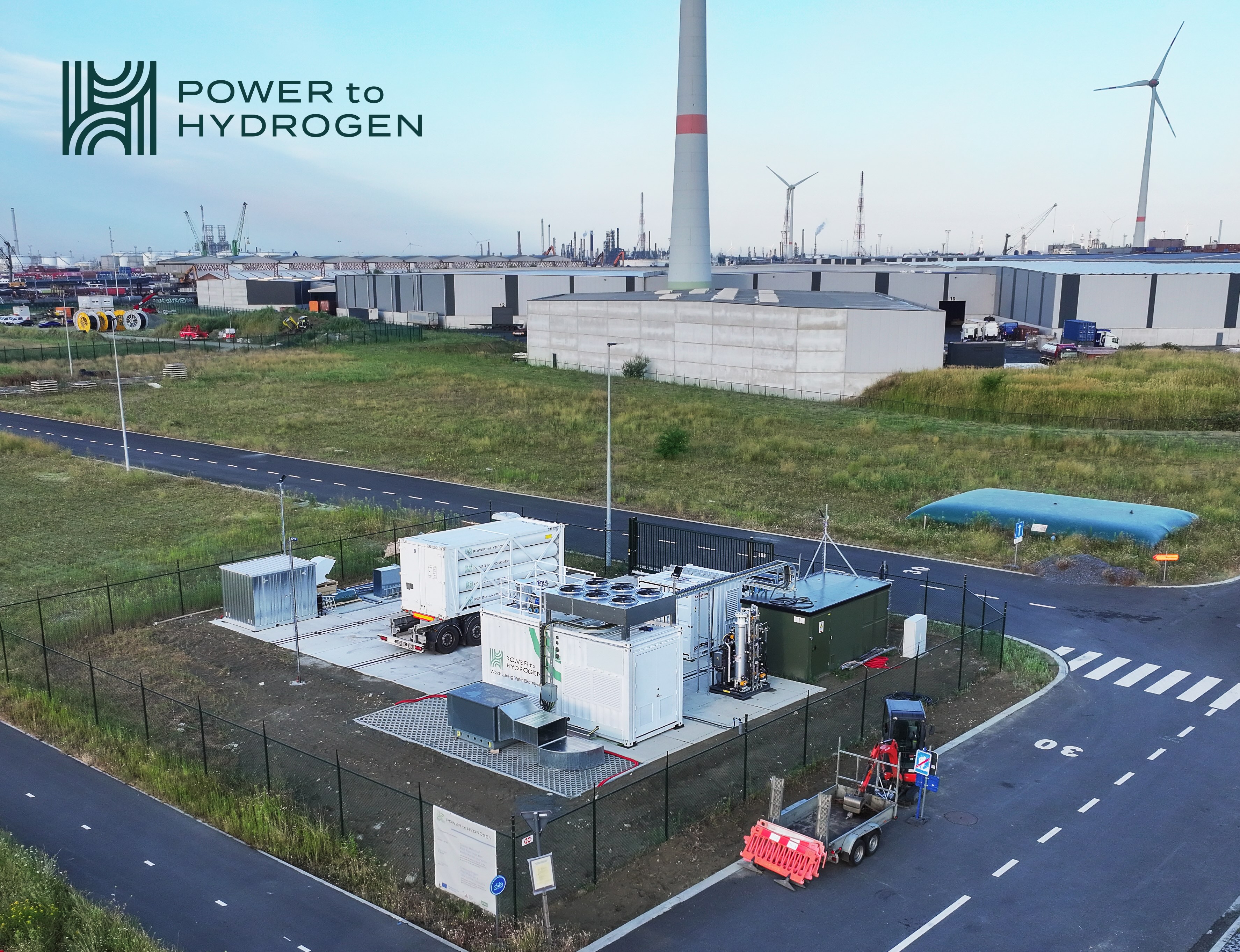
This is the first commercial deployment of the company’s M-Class hybrid AEM electrolyzers. It uses 250-kilowatt stacks. The system is engineered for dynamic operation, including sub-50-millisecond response for renewable load-following. Pressurized operation cuts downstream compression needs and simplifies the balance of plant. The technology swaps expensive precious metals common in PEM systems for lower-cost materials such as steel and nickel. Company figures put the CAPEX reduction at up to 65 percent versus comparable PEM electrolyzers. Once running, the unit will demonstrate renewable hydrogen production in a high-throughput industrial port under real operating conditions. It is the first AEM system to do so at this scale in that environment. The configuration is designed to scale to 25 megawatts for high-demand industrial sites. The project will support commercial demand in both mobility and industrial applications. Holthausen is the key offtaker at launch, supplying industrial gases and hydrogen-powered trucks. Additional customers are expected over time. Revenue is projected from the first year of operation. The site sits in the NextGen District and grew out of Power to Hydrogen’s 2022 win in the Free Electrons utility innovation program. Sponsors of that program included American Electric Power, EDP, E.ON, ESB, Origin Energy, and CLP. Several of those utilities are now investors. Port of Antwerp-Bruges CEO Rob Smeets framed the arrival as a concrete step for scalable, flexible technologies needed in Europe’s energy transition. Power to Hydrogen CEO Paul Matter called it a tangible step toward financeable deployment that proves the company can build, ship, integrate, and commission megawatt-class hardware designed for renewable load-following. E.ON’s Daniel Joisten described it as an important step in proving flexible, renewable load-following AEM electrolysis at commercial scale and building confidence for broader deployment. On-site electrolysis here is positioned to sit alongside imported hydrogen, giving fuels, chemicals, and mobility customers more supply options and stronger security.
The real test is whether this half-megawatt unit becomes the repeatable blueprint the company claims. Third-party validation and a proven installable configuration are meant to de-risk future multi-megawatt projects. If the system delivers the promised dynamic performance and cost path under live port conditions, European industrial clusters gain a credible domestic production option that does not require waiting for massive import volumes. The next data points will be commissioning results in September and the first year of actual offtake volumes. Those numbers, not the announcement, will decide how fast the rest of the M-Class platform moves.
Author bio: Alex Mercer, long-time senior technology commentator for international tech weeklies covering industrial energy systems and clean-tech scale-up.
source https://newsroom.seaprwire.com/press-releases/technologies/half-megawatt-reality-check-why-power-to-hydrogens-antwerp-delivery-matters-more-than-the-press-release-claims/